Endocrinology
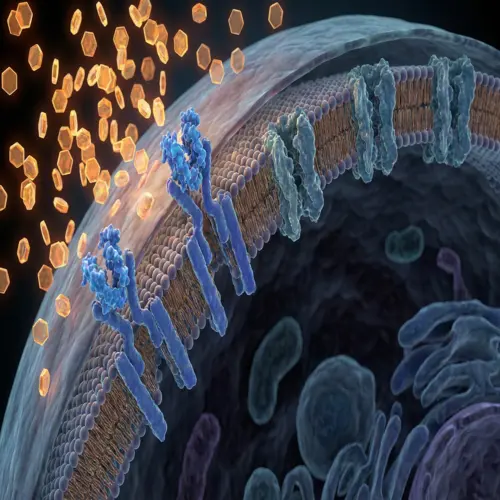
Insulin Resistance: Mechanisms
A detailed review of the pathophysiology of insulin resistance and non-pharmacological strategies.
Complete collection of evidence-based articles, official guidelines, and up-to-date clinical studies.
Try clearing the search box or selecting a different category.
A detailed review of the pathophysiology of insulin resistance and non-pharmacological strategies.
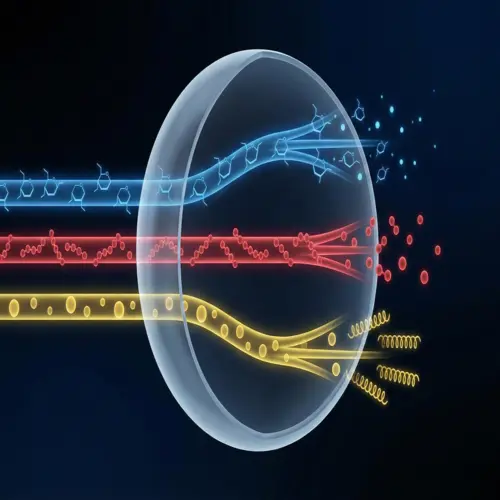
Understanding the metabolism of proteins, carbohydrates, and lipids at the cellular level.
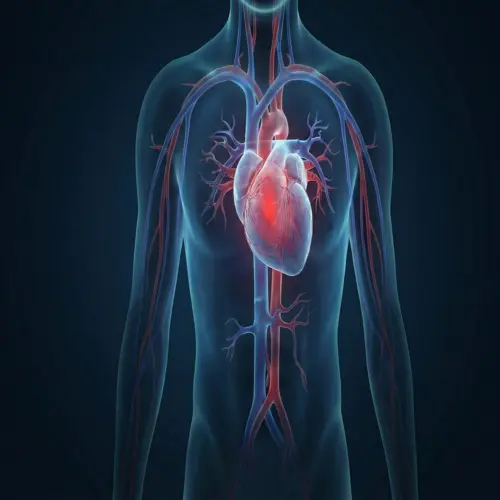
Updates on diagnosis, monitoring, and control of systemic arterial blood pressure.
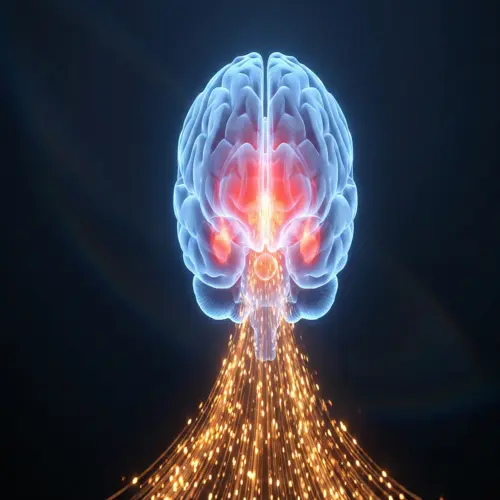
Neurobiological impacts of prolonged stress and hormonal markers of mental health.
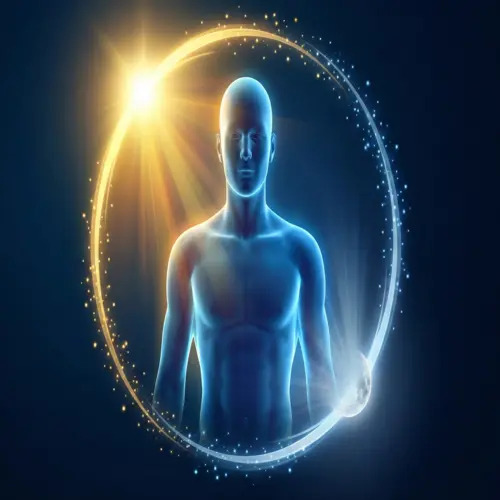
How light and sleep cycles affect your metabolism, hormones, and immune system.
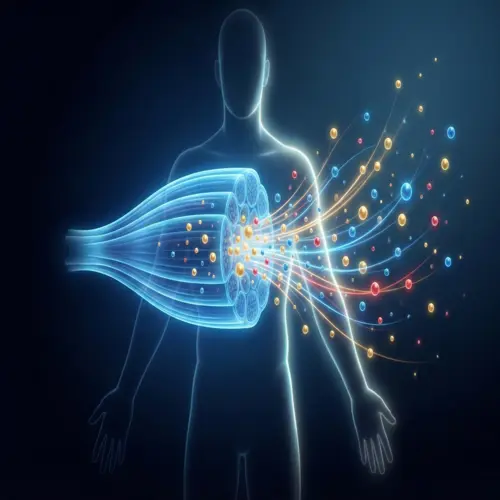
The role of skeletal muscle as an endocrine organ and its systemic benefits.
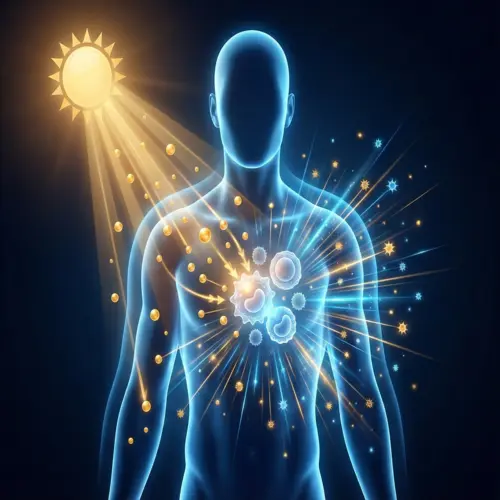
The hormonal role of calcitriol in modulating the body's defense cells.
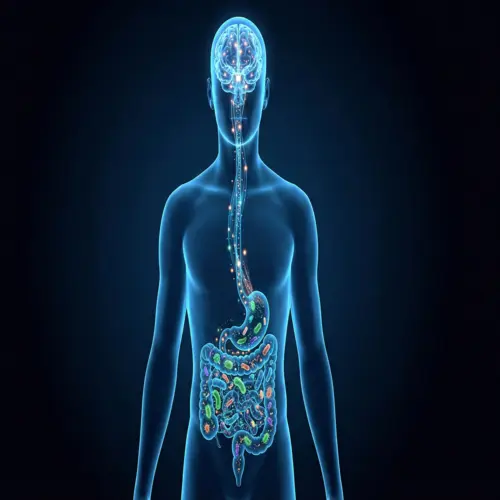
The gut-brain axis: how intestinal bacteria influence mood and anxiety.
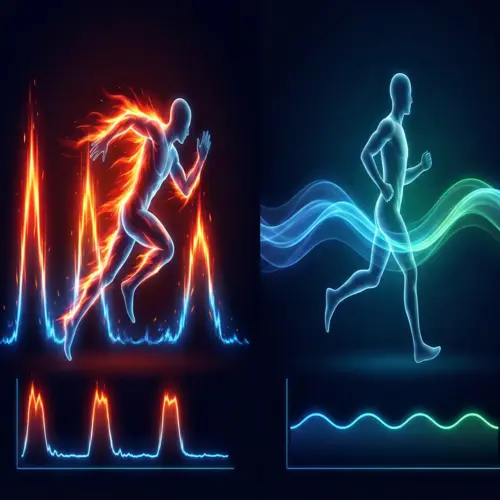
Comparison of efficacy in mitochondrial biogenesis and cardiovascular health.
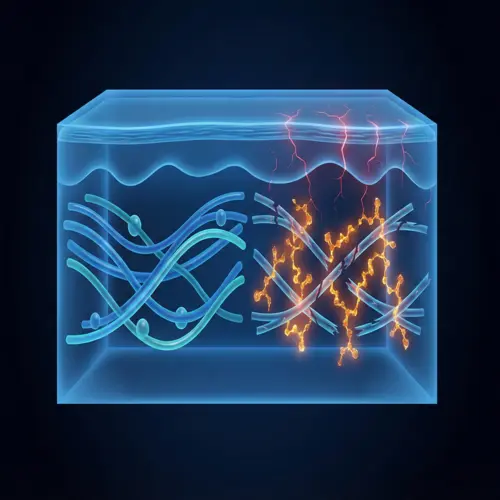
How excess sugar degrades collagen and accelerates skin aging.
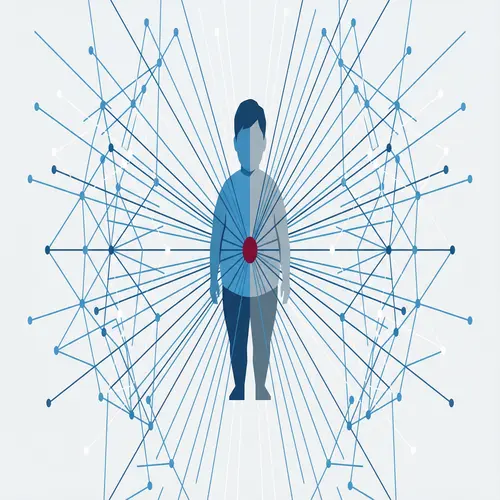
WHO data on the growth of obesity in minors and intervention strategies.
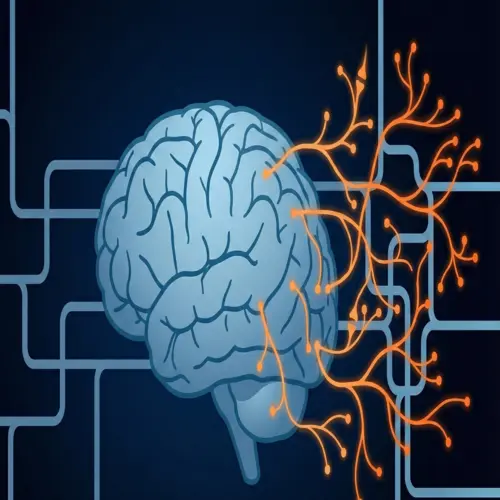
The brain's ability to reorganize itself and learn new skills in adulthood.
The global danger of superbugs and the rational use of antimicrobial drugs.
.webp)
Dietary and behavioral protocols for the management of gastroesophageal reflux.
The importance of calcium, vitamin D, and impact exercises for bone health.
Myths and truths about the impact of digital screens on the retina and sleep.
Diagnosis, insulin resistance, and multidisciplinary management of PCOS.
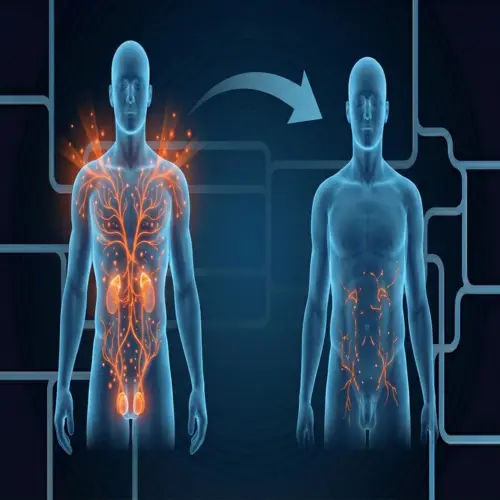
Natural hormonal decline (andropause) and when replacement is clinically indicated.
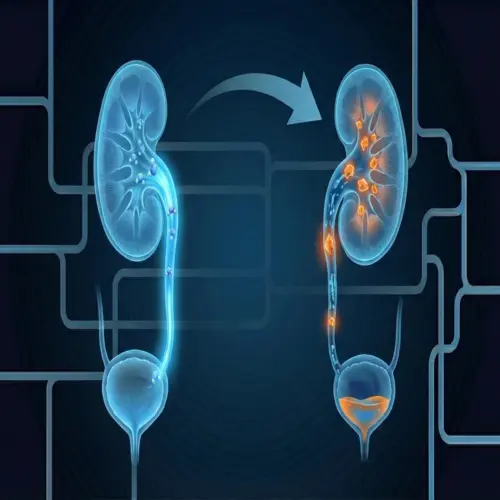
Dietary risk factors for kidney stones and prevention strategies.
.webp)
The impact of smoking and pollution on long-term lung function.

Evidence on how diet, alcohol, and exercise influence oncological risk.
Effects of mindfulness on reducing symptoms of anxiety and chronic pain.
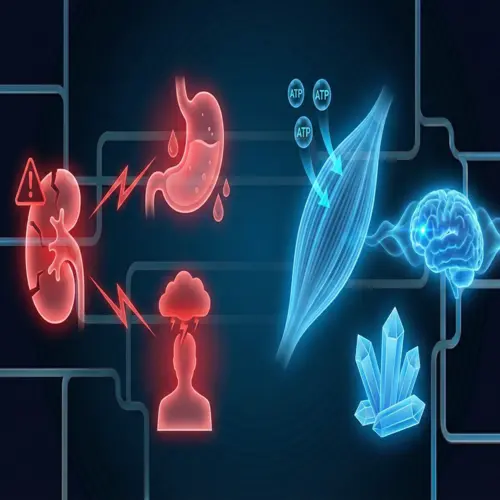
Safety, dosage, and benefits of creatine beyond muscle hypertrophy.
What we can learn from populations living over 100 years.

Progression from fatty liver to cirrhosis and safe consumption limits.
How environment and lifestyle can activate or silence disease genes.
Workplace ergonomics and preventive exercises for repetitive strain injuries.

Differential diagnosis of iron deficiency and impact on oxygenation and energy.
Clinical differences, environmental triggers, and medical treatment options.
The vaccination calendar beyond childhood: shingles, pneumonia, and hepatitis B.